
How to Read Minds: The Science and Art of Empathy
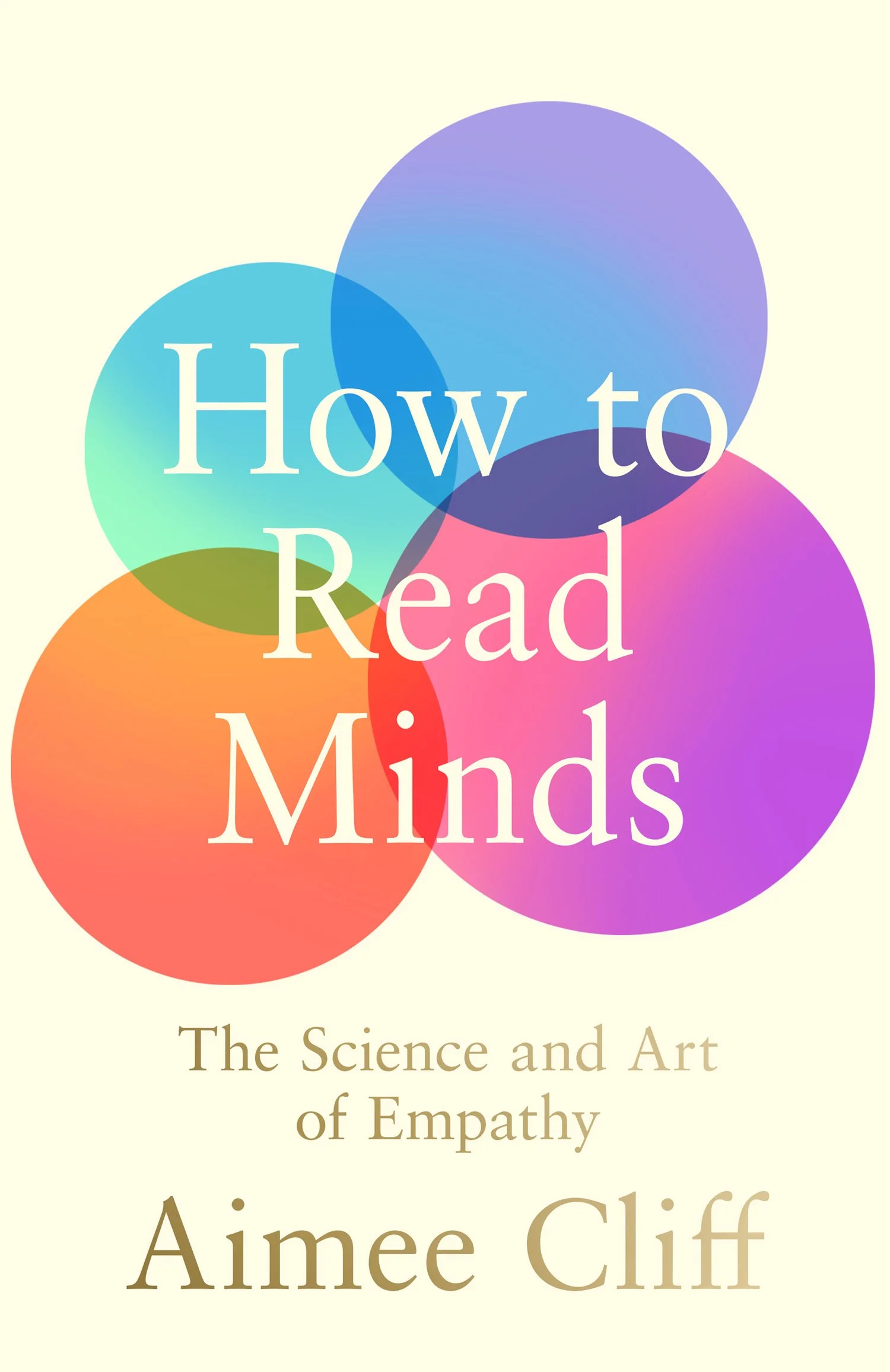
An autistic therapist’s guide to better empathy for everyone
Empathy, we’re told, is what makes us human: our innate ability to connect. But the classic stereotype of autistic people is that they can’t empathise. However intellectually brilliant they might be, their brains are not ‘wired’ for connection.
As an autistic psychotherapist, who empathises for a living, Aimee Cliff knew that this wasn’t true. Empathy isn’t an individual personality trait, a marker of virtue or vice; it is an act between two people, one that we choose to practice every day.
How to Read Minds playfully offers a new idea of empathy, one with a more exciting and expansive definition. For real empathy fights against the constrictive straitjackets of stereotypes, and dares to imagine something new. It’s liberatory, radical and accessible to everyone.
Drawing on her clinical experience, alongside interviews with a wide range of neurodivergent people, Cliff interrogates the science of empathy in the brain and body, and lays out the five key pillars of true empathy. This wise, humane and quietly life-changing book considers how to understand each other, how to care for and love each other, in a timeless examination of questions that affect us all.
'A beautifully observed exploration of what it really means to understand another person. Aimee Cliff blends personal story, psychology and cultural insight to reveal why empathy is so often misunderstood – and how we can truly connect beyond assumptions. It’s a book about tuning in, slowing down and learning to hear what isn’t always spoken. Wise, honest and quietly transformative' Emma Reed Turrell, author of What Am I Missing?
‘A much-needed guide to empathy – what it really is, what it isn't, and all the ways in which we can put it to transformative use’ Joanne Limburg, author of Letters to My Weird Sisters
'In this warm and insightful book, Aimee Cliff offers an invaluable reframing of the nature of empathy: empathy is not a static trait, but a practice one can develop' Nick Walker, author of Neuroqueer Heresies